Sustainability in Landscaping: The Benefits of Recycling Green Waste Dec 04, 2025
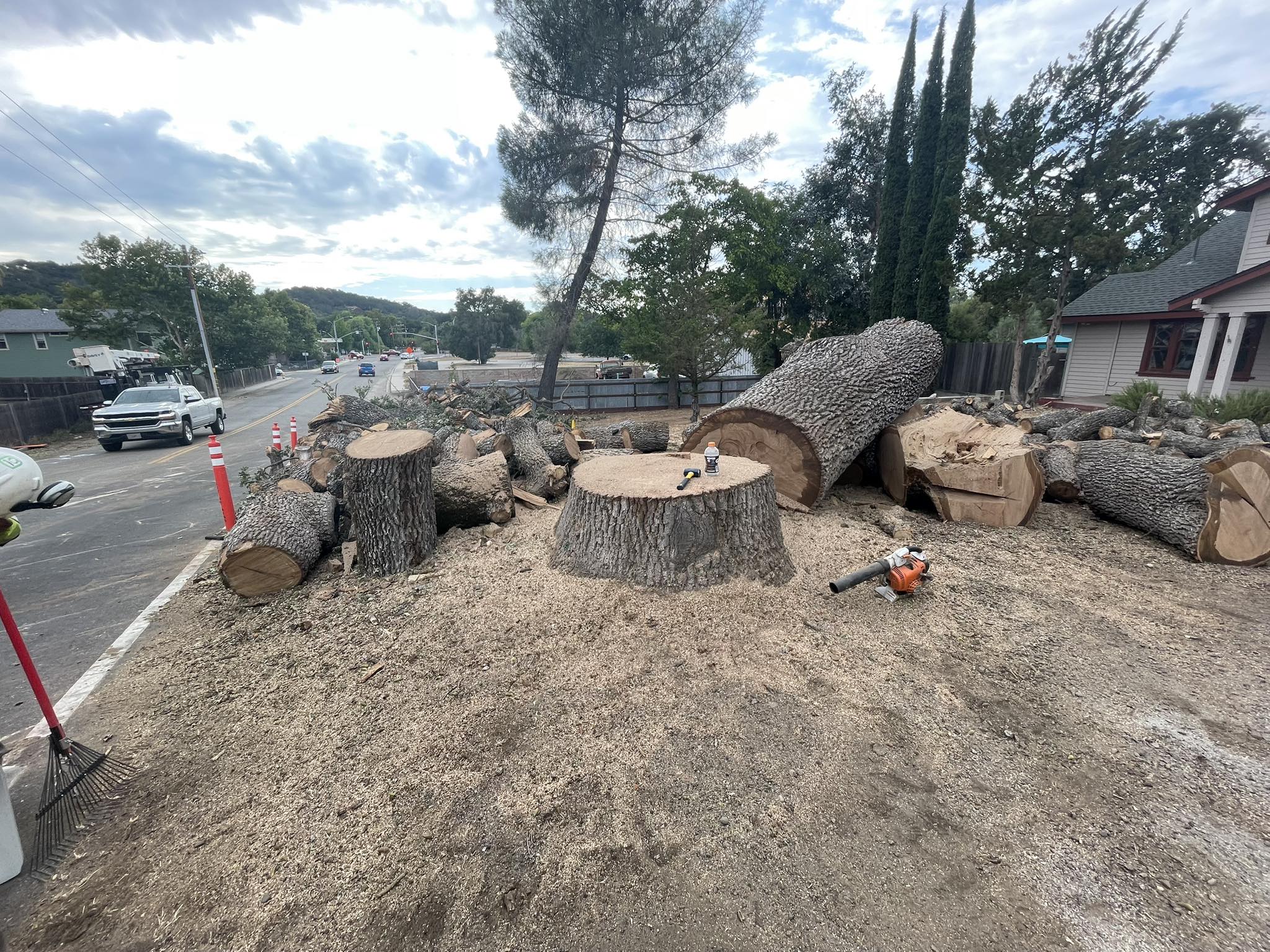
Recycling green waste involves repurposing the organic waste generated from garden and yard maintenance. This includes leaves, grass clippings, branches, and other biodegradable materials. Instead of adding to landfill overflow, this waste can be recycled into valuable resources such as mulch, compost, or biofuel. By integrating these practices, communities can significantly reduce their carbon footprint.
There are various compelling benefits to recycling green waste in landscaping. Firstly, one of the most tangible benefits is the production of rich, organic compost. Composting transforms green waste into nutrient-rich matter, ideal for enriching garden soil. Plants thrive in nutrient-dense soil, resulting in healthier growth and increased pest resistance. This eco-friendly process not only fosters plant health but also reduces dependency on chemical fertilizers, promoting a more sustainable and biodiverse environment.
Moreover, using recycled green waste as mulch helps in water conservation. Applying mulch to garden beds reduces evaporation, retaining soil moisture and lowering the need for frequent watering. This is particularly beneficial in areas facing water scarcity, providing a sustainable solution to water management in landscaping. Mulch also suppresses weed growth by blocking sunlight, minimizing the need for chemical herbicides and reducing maintenance costs.
Another environmental benefit of recycling green waste is the reduction of greenhouse gases. When organic waste decomposes in landfills, it produces methane, a potent greenhouse gas. By diverting green waste from landfills and recycling it instead, you contribute to the reduction of these emissions, playing a part in mitigating climate change.
Beyond environmental impacts, recycling green waste can also lead to significant economic savings. Many municipalities offer reduced fees for green waste recycling services compared to traditional waste disposal. Additionally, creating your own compost or purchasing locally produced mulch can be more cost-effective than buying commercial soil enhancers or fertilizers.
Incorporating sustainable green waste practices also enhances community well-being. These initiatives can foster a sense of community pride and responsibility, encouraging residents to engage in eco-friendly activities. Educational opportunities abound as well, with community gardens and workshops on composting techniques promoting environmental awareness and sustainable living.
At A1 Junk & Tree Solutions, LLC, we understand the importance of sustainability in landscaping. Our services are designed to help you manage green waste efficiently and effectively, ensuring that your landscape contributes positively to the environment. By choosing to recycle green waste, you are taking a proactive step towards a more sustainable future, supporting both your local ecosystem and the planet at large.
In conclusion, the benefits of recycling green waste in landscaping are multifaceted, enhancing environmental health, delivering economic savings, and fostering community spirit. As more individuals and businesses adopt sustainable practices, we collectively move towards a greener, more sustainable world. Whether through composting, mulching, or simply becoming more conscious of our waste, every effort counts. A1 Junk & Tree Solutions, LLC is here to guide and support your journey toward eco-friendly landscaping solutions.